Kensington and Chelsea Council rules for parking removal permits
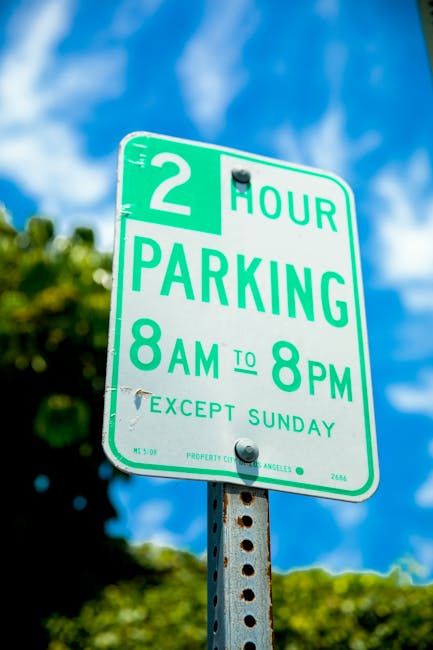
If you are arranging a move, a delivery, or a clearance in West London, the parking side of the job can be the bit that quietly causes the most stress. Kensington and Chelsea Council rules for parking removal permits affect where a van can stop, how long it can stay, and whether your removals crew can work without a ticket, a complaint, or a costly delay. That matters more than people expect. A good parking plan can save time, protect access, and make a busy street feel a lot less chaotic.
This guide explains the practical side of parking removal permits in Kensington and Chelsea: what they are, why they matter, how they usually work, and where people tend to go wrong. You will also find a clear checklist, a comparison of common options, and a realistic example from the kind of tight London streets that make everyone double-check the loading bay and then check it again.
Practical summary: if your move involves a restricted road, red route, resident bay, shared bay, or a narrow street with limited waiting, you should treat parking permissions as part of the move itself, not an afterthought. The earlier you plan it, the calmer the day usually feels.
Why Kensington and Chelsea Council rules for parking removal permits matters
Parking in Kensington and Chelsea is not the sort of thing you can leave to chance. Streets are often tight, vehicles are larger than they look on paper, and one badly parked van can slow down the whole day. In a borough like this, the rules around loading, waiting, and temporary parking permissions are not just admin. They are part of the move logistics.
For removals, the permit question matters because the crew may need immediate access to the front door, extra time for loading heavy items, and space to work safely. If that space is not available, the job becomes slower and more awkward. A sofa that should take 10 minutes can turn into a wrestling match on the pavement. Not ideal, to be fair.
There is also the issue of enforcement. Even if your driver only intends to stop "for a moment", restricted bays and controlled streets can be monitored. Penalties, complaints from neighbours, and delays to building access are all common headaches. One missed detail can snowball into a very long morning.
If you are also coordinating packing, storage, or a phased move, the parking plan becomes even more important. It is much easier to organise a smooth collection from a home or office when the vehicle can stop close by. That is one reason many people combine their move with removals and storage or ask about man and van support when the property access is tight.
How Kensington and Chelsea Council rules for parking removal permits works
The exact process can vary depending on the street, the type of vehicle, and the nature of the move, but the logic is usually straightforward. You identify the address, check the restrictions on that road, and then work out whether a parking suspension, a loading exemption, a dispensation, or some other temporary arrangement is needed.
In plain English, here is the basic idea:
- Parking restrictions: the street may already have resident bays, pay-and-display bays, single or double yellow lines, loading restrictions, or timed controls.
- Temporary permission: for removal work, a council may allow a vehicle to park or stop in a controlled area for a limited time if the right process is followed.
- Conditions: permissions often come with timing rules, display requirements, vehicle limits, and location limits.
- Operational risk: if the permit is wrong, not visible, or not approved in time, the vehicle may need to move on.
It is worth separating three ideas, because people often blend them together:
- Waiting/loading rules are about what a vehicle can do briefly.
- Parking permits or dispensations are temporary permissions for a specific task.
- Parking suspensions usually reserve space so the vehicle can work safely and with less interruption.
For a removal, the best option is usually the one that gives the driver the clearest legal stopping point nearest to the property. That may sound obvious, but in practice it means looking at the street, the time of day, and whether the building has any loading area or front access. A ground-floor flat on a busy road and a top-floor flat on a narrow mews street are very different jobs.
If your move is small and the access is fairly relaxed, a small removals service may need less parking space than a full household relocation. For bigger moves, especially if there are stairs, long carries, or furniture that needs careful handling, the parking arrangement becomes one of the key moving parts. Quietly, it can be the difference between an efficient day and a messy one.
Key benefits and practical advantages
Getting the parking permissions right gives you more than legal peace of mind. It changes the feel of the whole move.
- Closer access to the property: fewer metres carried means faster loading and less strain.
- Less disruption: a planned stop is usually less stressful for neighbours, reception staff, and building managers.
- Lower chance of delay: if the vehicle has a proper place to stop, the team can get on with the job.
- Better safety: fewer awkward carries reduce the risk of dropped items and rushed movements.
- More predictable scheduling: if the van is not circling for space, your booked time slot is more likely to hold.
There is also a softer benefit that people sometimes forget: confidence. When the parking bit is sorted, the rest of the move feels manageable. You can focus on boxes, keys, building access, and whether the kettle has been packed, rather than a driver phoning from the end of the street sounding slightly strained.
For businesses, the advantage is even more obvious. Office relocations in Kensington and Chelsea often involve reception areas, shared access points, timed building rules, and limited curb space. Parking permissions can protect documents, hardware, and furniture from unnecessary handling. If you are planning a commercial move, pairing the move with office removals or business storage can make the logistics far cleaner.
Who this is for and when it makes sense
Not every move needs a formal council parking arrangement, but many do. If any of the following sounds familiar, you should take the permit question seriously.
- You are moving from a flat on a road with residents-only bays.
- Your building sits on a narrow street with limited stopping space.
- You need a van for more than a brief collection.
- You are moving large or heavy items, such as wardrobes, beds, desks, or appliances.
- Your property has no off-street loading area.
- You are working to a building access slot, concierge window, or lift booking.
- You are dealing with a business relocation and need to minimise downtime.
Students often think this only applies to large house moves, but that is not always true. Student accommodation can be awkward to access, especially during peak moving periods when streets are already busy. A few boxes might not need a formal suspension, but a van stopping in the wrong place can still create needless hassle. If you are sorting a smaller move with storage, a student storage option may also help you spread the load over several trips.
On the other hand, if you are moving from a house with a driveway and easy front access, the permit need may be much simpler. That is why it pays to look at the real street, not just the postcode. Same borough, very different reality.
Step-by-step guidance
Here is a practical way to handle the parking side without overcomplicating it.
- Check the address and street layout. Look at whether the vehicle can stop close to the property, whether the street is one-way, and whether there are any obvious loading restrictions.
- Identify the type of move. Household move, office move, single-item delivery, or clearance? The answer affects how much time and space you need.
- Estimate vehicle size. A small van, Luton van, and larger removals vehicle do not all fit the same street equally well. Be realistic here.
- Speak to the removals provider early. Experienced teams can often tell you where parking usually becomes tricky and what kind of access they need.
- Check whether a council permission is required. In some cases, a short loading stop may be enough. In others, you may need a formal parking suspension or temporary permit arrangement.
- Allow time for approval. Do not leave it to the week of the move. London admin has a way of punishing last-minute optimism.
- Confirm what must be displayed. If any permit, notice, or approval reference is required, make sure the driver knows exactly what to carry and show.
- Plan the move-day arrival window. Try to schedule the van when access is least busy. Early mornings are often calmer, though that depends on the street and neighbours.
- Recheck building access details. Lift bookings, concierge rules, and loading bay times can be just as important as the parking permission itself.
- Keep a fallback plan. If the space is taken or a road closure appears, know in advance where the vehicle can safely reposition.
A simple but useful habit: write the access plan on one sheet of paper, or one note on your phone, and share it with everyone involved. Driver, mover, landlord, concierge, whoever. It sounds basic, yet it stops a surprising amount of confusion.
Expert tips for better results
After dealing with enough moves in tight London streets, a few patterns start to stand out.
First, build the parking plan around the heaviest item. If the biggest thing in the property is a sofa bed or a piano, that changes how close the van should be. Don't plan around the easiest box; plan around the awkward one.
Second, think in terms of carry distance. Every extra metre matters when you are moving multiple items. A short carry is not only faster; it is calmer and safer.
Third, avoid assuming that a "quiet street" is an easy street. Quiet can still mean narrow, heavily controlled, or packed with resident parking. In fact, quiet streets can be the tricky ones because they look simple until the van turns up.
Fourth, factor in weather and time of day. Rain, school runs, bin collections, and commuter traffic all change how easy it is to park. A road that seems fine at 11 a.m. can feel very different at 4 p.m.
Fifth, keep the loading area clean and ready. The less time the crew spends navigating clutter, the less pressure there is on the parking window. This is where a bit of preparation and packing services can make the day much smoother.
And yes, one small human truth: people nearly always underestimate how long the last 10 per cent of a move takes. The front door, the corridor, the curb, the van ramp. That final stretch is where delays hide.
Common mistakes to avoid
These are the errors that cause the most avoidable pain.
- Leaving the permit check too late: this is the big one. If you only look at parking the day before, your options may be limited.
- Guessing the vehicle size: a larger van may need different access than you expected.
- Forgetting building rules: some properties are stricter than the street itself.
- Assuming a loading bay is always available: some are shared, time-limited, or occupied more often than people think.
- Not briefing the driver: if the driver does not know the exact address, entrance, or contact name, things get messy quickly.
- Overlooking neighbour impact: even a short stop can create tension if it blocks access badly.
- Ignoring storage needs: if you cannot move everything in one go, you may need a staged plan rather than a single, overloaded day.
One of the sneakiest mistakes is treating the parking issue as separate from the move. In reality, it sits right in the middle of it. You can have perfect boxes and excellent movers, but if the vehicle cannot stop nearby, the whole schedule starts to wobble.
For anyone with a complicated move, it can help to combine transport and storage planning through removals or mobile self storage when the timing is tight. That way, you are not trying to solve six logistics problems at 8 a.m. on the same morning.
Tools, resources and recommendations
You do not need fancy software to get this right. What you do need is a tidy set of details.
- Exact address: include flat number, building name, and postcode.
- Access notes: note gates, intercoms, basement entries, or service doors.
- Vehicle information: know the approximate size and type of van.
- Contact names: landlord, building manager, or concierge details if relevant.
- Move schedule: arrival window, lift booking, and expected loading time.
- Inventory summary: especially for furniture, fragile items, or awkward pieces.
Useful supporting pages on the site can also help you plan the wider move, especially if parking is only one part of the picture. For example, the team's pricing and quotes page is helpful when you want to compare the cost of a larger move versus a smaller, phased one. The terms and conditions page is also worth a look if you want to understand the service relationship clearly before booking.
If you are moving business records or archiving documents, space and access matter in a different way. A well-organised document storage plan can reduce the number of items you need to move on a single permit window. That is often the smarter call.
Law, compliance, standards, or best practice
Parking removal permits sit within wider UK parking control practice, so the safest approach is to treat the council's rules as the authority for the exact street and date. Because roads in Kensington and Chelsea are varied, it is not sensible to assume one rule applies everywhere. A loading area, yellow line, or bay may each have different restrictions and enforcement conditions.
From a best-practice point of view, there are a few principles that nearly always hold:
- Check before you stop. Never assume the van can simply park where it is convenient.
- Use the correct vehicle type. A permit or permission should match the actual vehicle and task.
- Keep evidence and references handy. If you are asked about the arrangement, you want the details ready.
- Respect time limits. Temporary access is temporary for a reason.
- Protect pedestrian safety. A cramped street can become risky quickly if boxes, ramps, and traffic are all in the same place.
For removal firms, good practice also means clear communication with customers about what they can and cannot promise. Nobody benefits from vague assurances like "we'll sort the parking somehow". Better to be honest about the street conditions and plan accordingly. That is where trust comes from, really.
If your move involves handling valuable items, check the mover's insurance and safety position as well. You can review the site's insurance and safety information to understand the broader approach to risk and protection.
Options, methods, or comparison table
Different parking solutions suit different types of removals. Here is a simple comparison to help you think clearly.
| Option | Best for | Pros | Watch-outs |
|---|---|---|---|
| Short loading stop | Very small moves or quick collections | Simple, fast, minimal admin | May not be enough for large items or longer loading times |
| Temporary parking permission / dispensation | Moves needing limited but controlled access | More flexible than a brief stop | Needs planning and may have strict conditions |
| Parking suspension | Moves needing a clear space directly outside | Best access and least interruption | Usually requires the most advance planning |
| No special arrangement | Properties with easy, legal off-street access | Least admin if genuinely suitable | Risky if the street is controlled or busy |
In practice, the right option depends on how much time the crew needs and how forgiving the street is. A ground-floor flat with open access might only need a short stop. A fourth-floor walk-up on a busy road? That is a different story entirely.
If you are unsure, it is usually wiser to plan for the slightly more generous option than to gamble on the smallest one. A little caution goes a long way here.
Case study or real-world example
Imagine a family moving from a second-floor flat off a busy Kensington and Chelsea side street on a Friday morning. The street has resident bays, a narrow carriageway, and little spare space. The family assumes the removals van can just wait nearby for a few minutes while they finish packing. In reality, that "few minutes" can turn into repeated repositioning, extra carrying distance, and a lot of waiting around while everyone looks at each other and tries to be helpful.
Now imagine the same move with the access plan sorted in advance. The vehicle knows where to stop, the team knows the entrance, the building manager knows the arrival window, and the family has kept the hallway clear. Suddenly the move feels like a sequence of manageable tasks rather than a scramble. The boxes go down, the heavier furniture moves out safely, and nobody has to sprint up and down the stairs with a kettle under one arm. Small difference. Huge effect.
That is the real value of understanding parking removal permits. Not paperwork for paperwork's sake. Just fewer surprises.
Practical checklist
Use this checklist before move day.
- Confirm the full address and postcode.
- Check the street restrictions and likely stopping options.
- Decide whether your vehicle needs a permit, dispensation, or suspension.
- Match the vehicle size to the access available.
- Tell the removals team about stairs, lifts, or long carries.
- Keep concierge, landlord, or building manager contacts ready.
- Prepare any required references or parking details in advance.
- Share the arrival window with everyone involved.
- Clear the hallway and entry route before the van arrives.
- Have a fallback plan if the space is unexpectedly occupied.
- Keep key documents, keys, and move-day contacts together.
If your move is part of a larger reset, you may also want to think about how much you actually need to keep on site. A short-term storage plan can reduce pressure on the parking window and make the day less frantic. That alone can be worth its weight in cardboard boxes.
Conclusion
Kensington and Chelsea Council rules for parking removal permits are not something to glance at after the van has already set off. They shape access, timing, safety, and how stressful the day feels. If the parking arrangement is right, the move usually feels smoother, faster, and much more under control. If it is wrong, everything else starts working harder than it should.
The good news is that most problems are preventable. Check the street, understand the vehicle, allow enough time, and keep the details clear for everyone involved. That simple discipline saves a lot of friction. And in a borough where space is precious, clarity really does matter.
If you want to make the move easier from start to finish, keep the logistics joined up: access, packing, storage, and removals all planned together. That is the calm way through it, even if it is not the flashy way.
Get a free quote today and see how much you can save.
Frequently Asked Questions
Do I always need a parking removal permit in Kensington and Chelsea?
No, not always. If the property has easy off-street access or the vehicle can legally stop without restriction, a permit may not be needed. But in controlled streets, resident bays, or narrow roads, you should assume some kind of parking arrangement may be necessary until you check properly.
What is the difference between a parking permit and a parking suspension?
A parking permit or dispensation usually allows limited access for a specific purpose, while a suspension typically reserves a space so it cannot be used by others. For removals, suspensions are often more reliable where close access is essential.
How far in advance should I arrange the parking for a move?
As early as you can. The exact lead time depends on the situation, but leaving it until the last minute is risky. Streets in Kensington and Chelsea can be tight and heavily controlled, so early planning gives you more options and less stress.
Can my removals company sort the parking for me?
Sometimes yes, especially if they offer a full removals service and are used to working in the borough. Still, you should confirm who is responsible for applying, displaying, and checking the permission. Ambiguity is where problems creep in.
What details do I need before applying for a parking arrangement?
You will usually need the exact address, postcode, vehicle details, move date, and likely timings. Access notes can help too, especially if the property has a narrow entrance, a basement, or a shared driveway.
What happens if the van cannot park where planned?
The driver may have to reposition, which can add time and increase carrying distance. In some cases the whole schedule shifts. That is why a fallback plan matters, even if it feels a bit overcautious at the time.
Are removal permits only for big house moves?
No. Smaller moves, deliveries, and even single-item collections can still need controlled stopping space if the road is restricted. Size matters, but so does the street layout.
How do I reduce the risk of delays on move day?
Confirm the parking plan, keep the access route clear, brief everyone involved, and avoid last-minute assumptions. It also helps to know whether you are better off using short-term storage to split the move into smaller, easier stages.
Is it worth using storage if parking is difficult?
Yes, often it is. Storage can reduce the amount that needs to be loaded in one go, which in turn reduces pressure on the parking window. For some moves, that makes the whole day noticeably calmer.
What if my move involves office equipment or business files?
Then planning matters even more. Business moves often have tighter timing and less tolerance for disruption. In those cases, services like office storage or office removals can help you reduce the load on the move itself.
Can poor parking planning affect insurance or safety?
It can contribute to avoidable risk. If vehicles are forced to stop in awkward places or crews have to carry items further than planned, the chance of an incident goes up. That is why good parking planning is part of a safe move, not just a legal one.
Who should I contact first if I am unsure about the rules?
Start with your removals provider and the relevant property contact, such as a landlord, concierge, or building manager. If you are using a professional mover, they may already know the practical access issues and can help you avoid the obvious traps.
Can I combine removals with storage in one plan?
Absolutely. In fact, that is often the easiest route when parking, timing, or access is limited. A combined plan can reduce pressure on the street and make the move more manageable from beginning to end.